
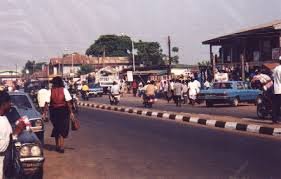
Markets in Asaba, the Delta State capital, will shut
down on October 7, as natives of the town mark the
52nd year anniversary of a mass killing in 1967
during the Nigerian Civil War.
Over 500 natives of the town were said to have be
congregated in one place and murdered in cold
blood by troops of the Nigerian Army in their
onslaught against Biafran rebels in eastern Nigeria.
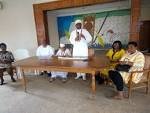
Addressing reporters Saturday on activities in
remembrance of the victims, President-General of
Asaba Development Union (ADU) worldwide, Prof.
Epiphany Azinge, said over 400 names of the
victims have been engraved at the site of the mass
killing at Ogbe-Osewe.
Azinge, who was flanked by members of the
memorial organising committee, said both
traditional and political approvals have been
secured for the popular Ogbegonogo Market to be
shut during a candle light procession that will
commence from Ogbe-Osewe through the market to
the Oshimili Arcade for other rituals.
He called on Asaba indigenes in the diaspora to, as
a mark of respect for the victims of the massacre,
observe a minute silence by 12 noon on October 7.
Describing the 1967 action of the Nigerian military
as heinous, Prof. Azinge urged the Federal
Government to tender an official apology and pay
adequate compensation to families of the victims of
the mass killing.
He said that genuine reparation and compensation
from the government will go a long way in
assuaging the feelings of the people of Asaba
people, adding however that it will not completely
obliterate the horrible experience from their minds.
“Somewhere along the line, General Yakubu Gowon
offered an apology but we demand an official
apology to be made with a contrite heart from the
government of the day,” Azinge said.
“The issue of compensation can help us do many
things, like having a much more befitting resting
place for our departed ones. But that is not to say
that we will stop the rituals of commemorating that
day, October 7.
“The respect we have for our departed ones is way
beyond money, the annual rituals will continue, it is
not going to abate. People killed in the first and
second World Wars are still being remembered, let
alone the ones who were criminally massacred in
1967. We cannot stop the rituals irrespective of any
reparation or compensation,” he said.

 Young-po Reporters